
BOTANICAL NAME: - Commiphora mukul
OTHER COMMOM NAMES : Indian Bdellium Gum, Guggulipid, Gum Guggul, Salaitree Gugulipid, Moql, Moqle-arzagi
The mukul myrrh (Commiphora mukul) tree is a small, thorny plant distributed throughout India. Guggul and gum guggulu are the names given to a yellowish resin produced by the stem of the plant. This resin has been used historically and is also the source of modern extracts of guggul.
PARTS USED : Guggul is a tree which exudes a resinous sap out of incisions that are made in its bark. This resin has been used for centuries as part of India's traditional medicine called Ayurveda.
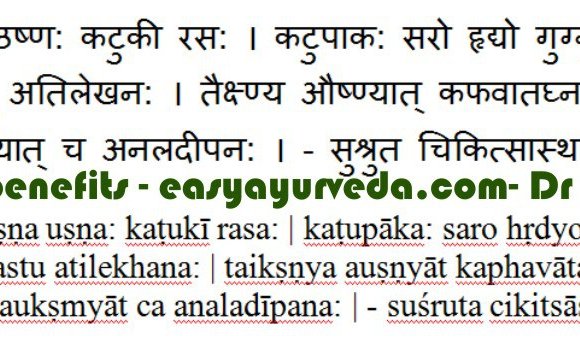
BENEFITS OF GUGGUL / USES :There are ample references to Guggul and its medicinal properties in 'Sushruta Samahita', the classical ancient treatise on Ayurvedic medicine, which describes the use of Guggul for a wide variety of conditions. Some of these are rheumatism, obesity, and atherosclerosis. - In the treatment of arteriosclerosis it is useful in reducing existing plaque in arteries. "Guggul is the best among herbs that are used for obesity and Vata disorders." (Charaka Samhita, Sutra Section, Ch. 25) - Guggul for weight loss: In terms of obesity, Guggul increases body’s metabolic rate,
- Guggul for Thyroid: Guggul improves thyroid function, increases fat-burning activity of the body, and increases thermogenesis or heat production.
- Guggul as cholesterol medication: Guggul helps to lower cholesterol and triglycerides. It has been shown to reduce total cholesterol up to 30% in 3 months. Guggul’s cholesterol regulating properties are especially important in reducing LDL by 35% and increasing HDL by 20% in 12 weeks.
- Guggul for Heart protection:Guggul decreases platelet stickiness and reduces risk of heart disease and stroke.
Share this Post
latest post
-
 Warts treatment in Ayurveda October 3, 2026
 -
 Acne treatment in Ayurveda September 13, 2026
 -
 Gallstones Ayurveda treatment August 24, 2026
 -
 Ayurvedic Pregnancy August 4, 2026
 -
 Treatment of Ayurveda July 15, 2026
 -
 Weight loss Remedies in Ayurveda June 25, 2026
 -
 Ayurveda Migraine June 5, 2026
 -
 Guggulu Ayurveda May 16, 2026
 -
 Ayurveda in Diabetes April 26, 2026